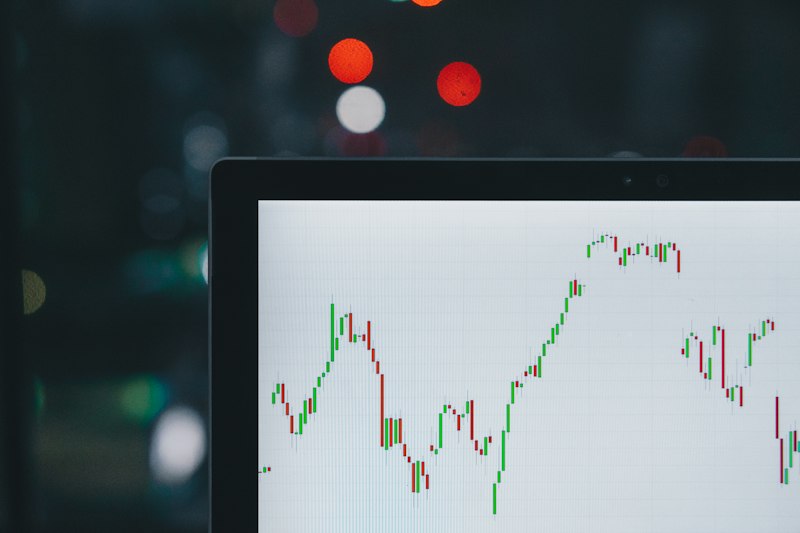
A close beyond resistance is only the opening argument. The retest — whether price returns to the broken level and holds — is where many traders either gain conviction or avoid a trap. We teach a simple rule: the first retest within three sessions that holds above the level on decreased volume often confirms acceptance.
Failed retests look different. Price gaps above, stalls for one session, then re-enters the old range on expanding sell volume. In group workshops we slow down replay of these sequences so participants can see the shift in bar bodies, not just the wick extremes.
Stop placement discussions belong here. Placing a stop just inside the old range is logical, but on volatile names the retest may pierce the level briefly before holding. Our workbook includes a table of average retest depth by sector so readers can size risk without guessing.
If you cannot watch the retest live, set an alert at the broken level rather than entering on the initial break bar. Several Site Dogwood Path clients report fewer false entries after adopting retest-only entries, even when that means missing part of the move.
Document three retests from your own history: confirmed, failed, and ambiguous. Label volume and close location. That personal library beats any generic checklist downloaded online.